Heating and cooling systems rarely fail politely, and in Blaine, MN, a breakdown tends to land on the hottest afternoon or the coldest night of the year. The tricky part is how many different failures produce the same symptom. A system that runs but never reaches temperature might be fighting a weak run capacitor, a pitted contactor, a low refrigerant charge, a dirty flame sensor, or nothing more exotic than a filter so clogged the blower is starving for air. A system that will not start at all could be a tripped float switch on a backed-up condensate drain, a failed transformer, a bad thermostat, or a control board that has stopped sequencing the equipment.
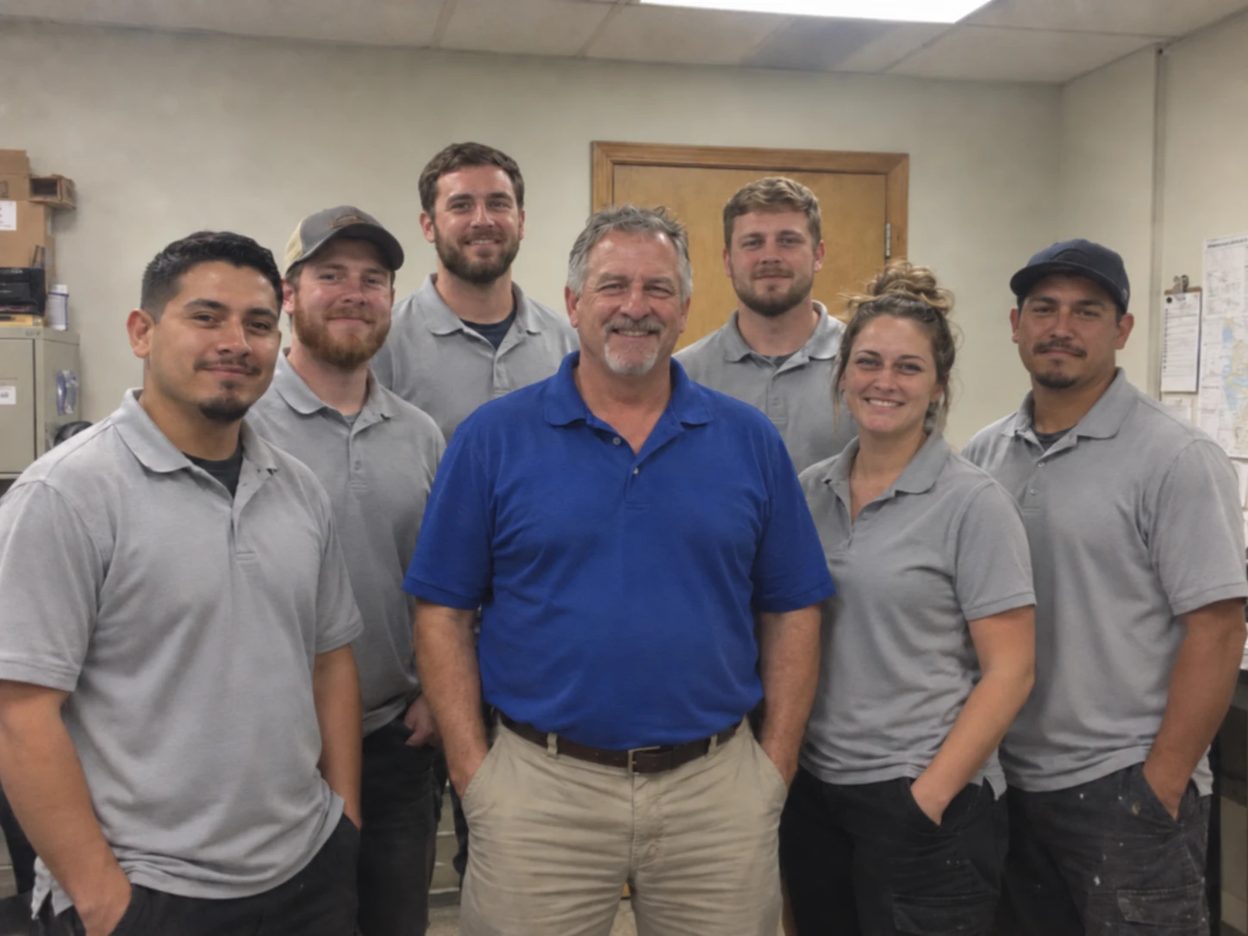
Blaine HVAC approaches every repair diagnosis-first. Our experienced technicians test rather than guess: capacitors are metered for microfarads instead of eyeballed, refrigerant circuits are checked with gauges and temperature clamps for superheat and subcooling, flame sensors are tested for microamp signal, and static pressure gets measured when airflow is the suspect. That discipline matters because parts-swapping wastes your money. A hard-starting compressor, a failing capacitor, and a low-voltage short can all masquerade as the same complaint, and only one of them is actually broken. Once we pinpoint the fault, we explain what failed, why it failed, and exactly what the fix involves before any work begins.
Straight talk is part of every repair. When a system is worn out, we say so and lay out replacement options instead of patching something that will fail again next season. When it is worth fixing, which is most of the time, we usually finish in a single trip, because our trucks are stocked with the capacitors, contactors, igniters, flame sensors, blower motors, and condensate pumps that account for most breakdowns. We handle furnaces, heat pumps, central air, air handlers, and ductless systems across all major brands. Need HVAC repair in Blaine? Call (507) 203-9215 today.
The repairs homeowners call us about most are AC Repair in Blaine and Furnace Repair in Blaine. That's the place to start if you need a fix today.
Warning Signs for HVAC Repair
Spotting the early warning signs gives you the chance to act before the situation spirals into something far more expensive. These are the signals our technicians see most often when a problem is underway:
- Higher energy bills with no improvement in comfort
- The system short-cycling on and off without reaching the set temperature
- Barely any air coming out of the vents
- Air at the registers that is the wrong temperature for the mode you selected
- A breaker that trips whenever the system tries to run
- Water around the indoor unit from a clogged condensate drain
- The outdoor unit humming but refusing to actually start
- Unfamiliar sounds from the equipment, like squealing, grinding, or banging
Act Before It Gets Worse
Most HVAC failures start small, a weak capacitor, a squealing blower, a system that runs a little longer each week. If you notice any of these signs, contact Blaine HVAC at (507) 203-9215 for a prompt inspection.
Ready to Solve Your HVAC Repair Problem?
Call our expert team for pricing today.
Get Help: (507) 203-9215Frequently Asked Questions About HVAC Repair
The Benefits of Professional HVAC Repair
Two things make HVAC repair a poor DIY project: the diagnosis is deceptive, and the equipment is dangerous. On the diagnostic side, a weak capacitor, a low charge, a frozen evaporator coil, and choked airflow can all produce a system that runs without cooling, so trial-and-error part swaps get costly in a hurry. On the safety side, you are dealing with 240-volt circuits, capacitors that stay charged after the breaker is off, federally regulated refrigerant that requires recovery equipment, and, on gas furnaces, fuel lines, combustion, and venting where one mistake can put gas or carbon monoxide into the home.
What professional service buys you is certainty. Instead of guesses, our technicians use meters on capacitors and motors, superheat and subcooling readings on the refrigerant side, microamp flame signal tests before any board is condemned, and static pressure measurements when the duct system may be starving the equipment. That usually makes the repair cheaper as well as safer. And because an aging unit is not always worth fixing, we give you a straight answer on repair versus replacement before you commit to either one.
What to Expect From Our HVAC Repair
We follow a proven process to ensure every repair and installation is completed to the highest standards. Here's what you can expect when you choose Blaine HVAC:
Find the Real Fault
We test the system component by component: capacitors, contactors, motors, sensors, refrigerant charge, and airflow. Pinpointing the true fault is what keeps you from paying for parts you don't need.
Clear Findings & Upfront Quote
We show you what failed, explain why it happened, and give a firm price before work begins. If the equipment itself is at the end of its life, we say so and lay out your options honestly.
Expert Repair
Our stocked trucks carry the most common failure parts, so capacitors, contactors, igniters, flame sensors, and motors are usually replaced on the spot and your system runs again the same visit.
Full System Test
We run the equipment through a complete cycle, verify temperature split and airflow, check amp draws against the data plate, and confirm safe operation before we leave.
How to Prevent HVAC Repair Problems
Smart maintenance is almost always cheaper and easier than an early replacement. Start with these practical measures our team relies on:
- Schedule professional maintenance twice a year, before cooling season and before heating season
- Run a vinegar flush through the condensate line each spring to prevent clogs and float switch trips
- Keep the outdoor unit clear of grass, leaves, and shrubs so the condenser coil can breathe
- Give the system a rest during extreme weather by setting the thermostat a few degrees closer to outdoors
- Keep supply and return registers open and unblocked in every room
- Call about unusual noises early, since a squealing bearing costs far less to fix before the motor seizes
- Replace the air filter every one to three months to keep airflow strong across the blower and coil
DIY vs. Professional HVAC Repair
Online tutorials may help in a pinch, yet lasting repairs and code-compliant installations usually depend on professional methods and trained technicians. Consider the following comparison:
| Factor | DIY Attempt | Professional Service |
|---|---|---|
| Finding the Fault | Trial-and-error part swapping | Component-level testing finds the true fault |
| Shock Hazard | Live 240V wiring and stored capacitor charge | Capacitors discharged, circuits tested dead first |
| Refrigerant | Guesswork without gauges or recovery tools | Charge verified by superheat and subcooling |
| Gas Safety | Gas leaks and venting issues missed | Gas pressure, flame signal, and draft tested |
| Related Problems | Airflow and drain problems overlooked | Full system checked while we are there |
| Result | Symptom patched, cause remains | Lasting repair, confirmed by testing |
Schedule Your HVAC Repair Service
Don't let a failing system get worse. Call Blaine HVAC now for prompt, professional service.
Get Help: (507) 203-9215Areas We Serve for HVAC Repair
Wherever you are in the area, the same experienced team handles your HVAC repair. Find your community below.